The Hidden Risks of Closed-Cell Spray Foam in Crawl Spaces
The Hidden Risks of Closed-Cell Spray Foam in Crawl Spaces
Closed-cell spray foam insulation has become a popular choice for insulating crawl spaces because of its high R-value and its reputation for creating an airtight barrier. Many contractors promote it as a modern solution for improving energy efficiency and comfort in the home.
However, in real-world crawl space environments, there are important risks homeowners should carefully consider before choosing this method.
In my work inspecting and addressing crawl space environments, I frequently encounter homes where closed-cell spray foam was installed with good intentions but later created problems that were difficult and costly to resolve.
Below are three important considerations when evaluating closed-cell spray foam in a crawl space.
Rodents and Wildlife Are Attracted to Spray Foam
One of the most common issues I encounter is wildlife intrusion.
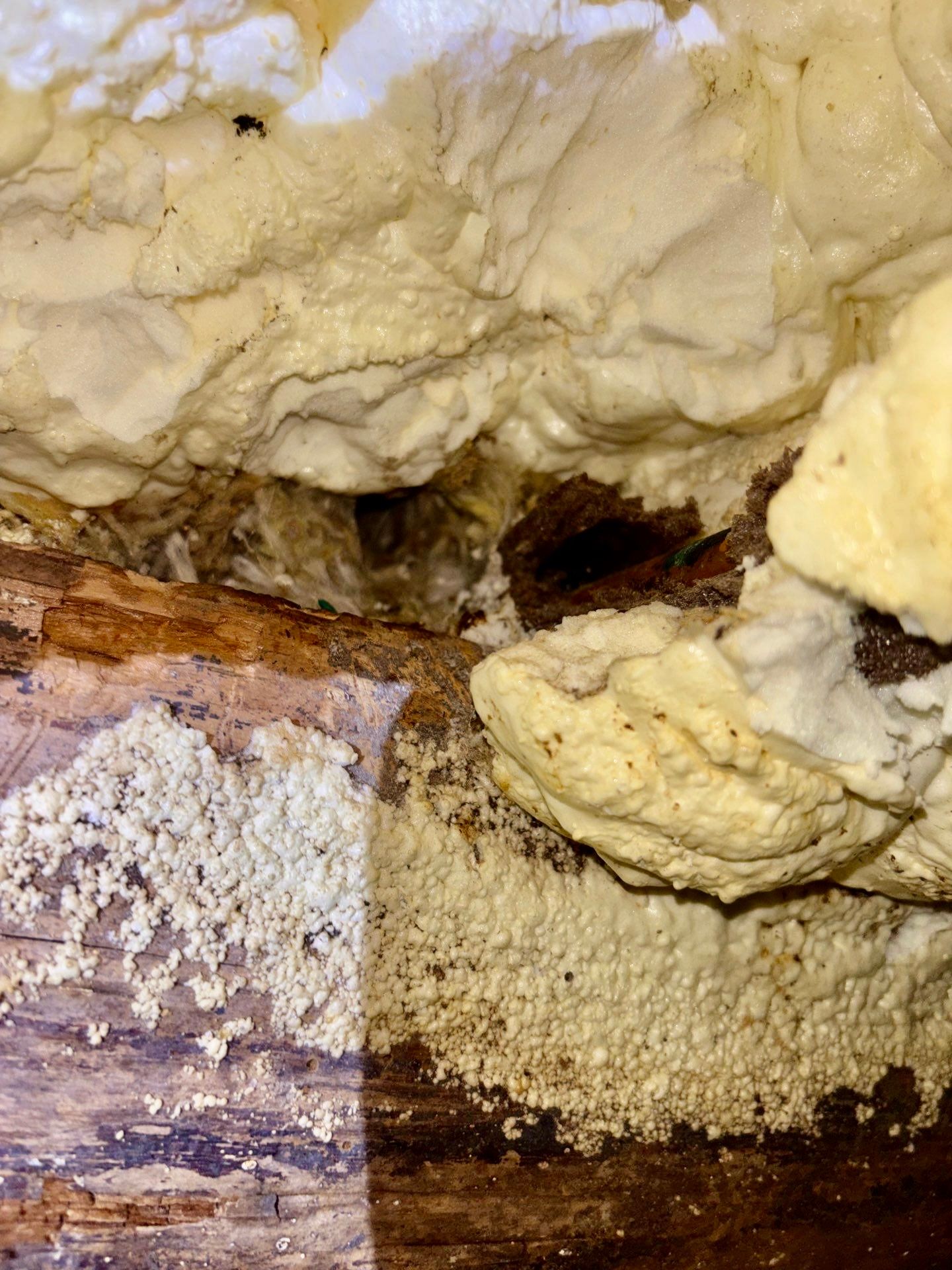
Rats and mice are particularly attracted to closed-cell spray foam installed in the subfloor. The foam provides a soft material that rodents can easily gnaw through and nest within. Once rodents begin burrowing into the foam, they create small cavities in the insulation where they build nests.
These rodent nests often attract predators such as snakes, which view the crawl space as a warm and protected habitat.
Over time, the crawl space can unintentionally become a wildlife refuge where:
- Rodents burrow into the spray foam
- Mice and rats nest within the insulation
- Snakes move in to hunt and shelter
- Wildlife breeds and overwinters beneath the home
Recently, I entered a crawl space where the spray foam had been gnawed away extensively. Multiple holes had been carved into the insulation where rodents had built nests directly in the subfloor area. In addition to nesting, the rodents had also begun chewing the surrounding wood structure.
Without proper prevention, what was meant to be insulation can turn into an ecosystem beneath the home.
Poor Sealing Can Create Hidden Moisture and Mold Problems
If closed-cell spray foam is used in a crawl space, proper sealing of the environment becomes absolutely critical.
All crawl space vents and access doors must be sealed correctly and reinforced to prevent wildlife intrusion. If rodents gain access to the crawl space and begin chewing holes into the spray foam, those openings can create pathways for outside humidity to enter the subfloor.
This creates several hidden risks:
- Humidity intrusion: Outdoor moisture can enter through holes created in the foam.
- Moisture traps: The foam can trap moisture against wood framing.
- Hidden mold growth: Moisture entering through foam breaches may go unnoticed for long periods.
Because the foam sits tightly against the wood subfloor, moisture that enters through damaged areas may become trapped. Over time, this can lead to mold growth or even wood rot in the floor structure above.
Homeowners often don’t realize there is a moisture issue until damage has already occurred.
Spray Foam Is Extremely Difficult to Remove Once Problems Occur
A third consideration that many homeowners don’t realize is the permanence of spray foam.
Closed-cell spray foam bonds aggressively to wood and structural materials. Once installed, it becomes extremely difficult to remove.
If mold, rot, or rodent damage occurs beneath the foam, remediation becomes far more complicated because the foam must often be:
- Scraped off manually
- Mechanically removed from wood surfaces
- Cut out section by section
This process can be labor-intensive and costly. In some cases, removing the foam without damaging the underlying wood framing is nearly impossible.
Unlike other insulation types that can be removed and replaced relatively easily, spray foam can turn what would have been a manageable repair into a major restoration project.
Final Thoughts
Closed-cell spray foam can be effective in certain building assemblies when installed correctly and maintained properly. However, crawl spaces present unique environmental challenges that homeowners should carefully evaluate before choosing this method.
From wildlife intrusion and hidden moisture issues to the long-term difficulty of removal, the decision to use spray foam in a crawl space should be made with full awareness of the potential risks.
If spray foam is used, it becomes critical that:
- Crawl space vents are fully sealed
- Access doors are secured against wildlife entry
- The crawl space is properly encapsulated
- Regular inspections are performed to identify early signs of intrusion or damage
What begins as an insulation solution should never turn into an unseen problem beneath your home.
If you have questions about crawl space conditions, indoor air quality, mold, or moisture issues, feel free to reach out.
michelle@moldradontesting.com 828-319-7643
I’m always happy to help homeowners better understand what’s happening beneath their homes.